


When Intelligence Is No Longer Our Advantage, What Is?
Context. Control. Capability.
The National India Hub · Schaumburg, Illinois
- Human Judgment
- AI Leadership
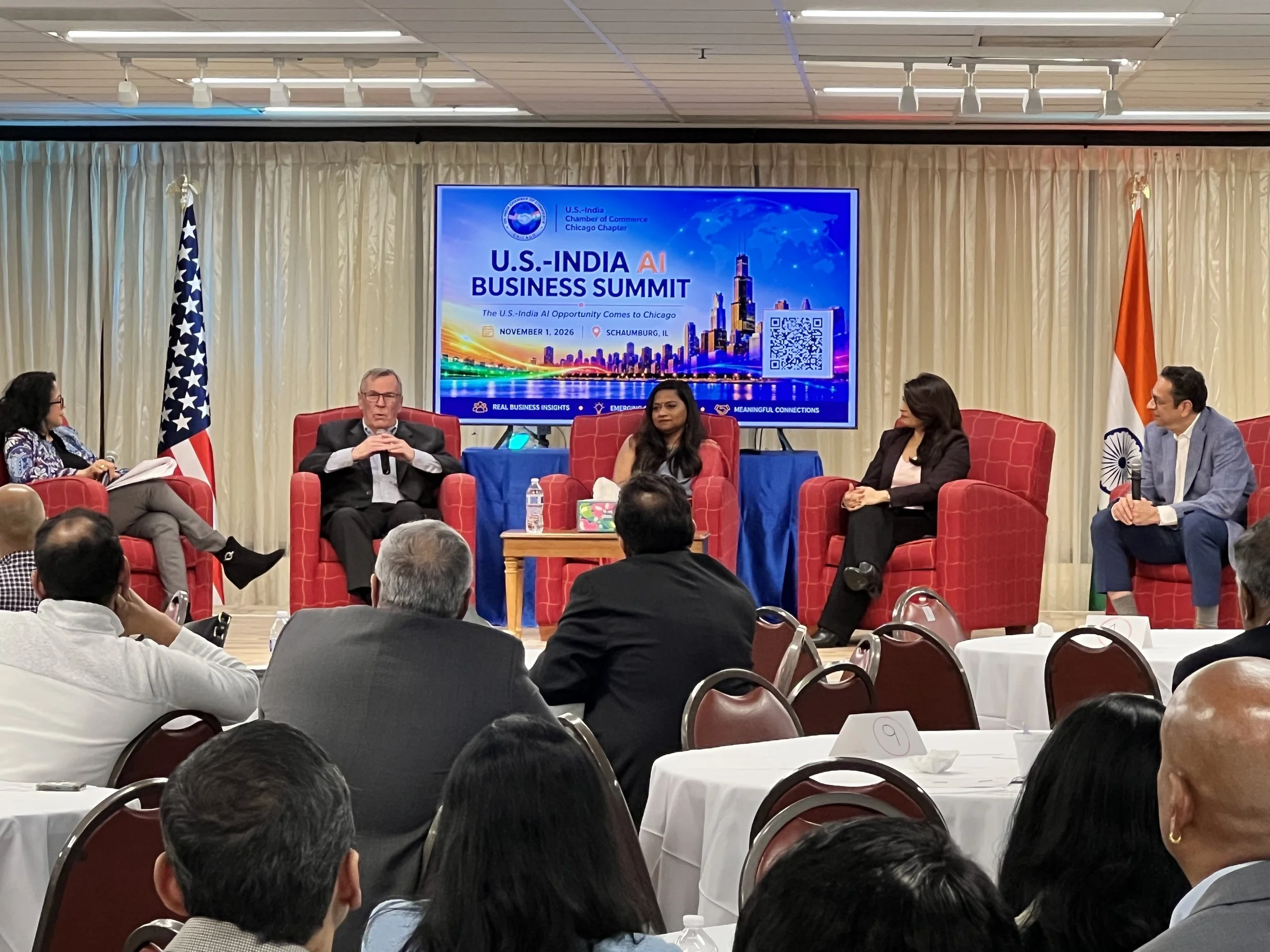
At the U.S.–India AI Business Summit, I joined a panel exploring the human advantage as AI becomes more capable. My perspective centers on three responsibilities: understanding the context behind a decision, designing meaningful control into autonomy, and ensuring AI strengthens the people who work alongside it.
Explore my perspective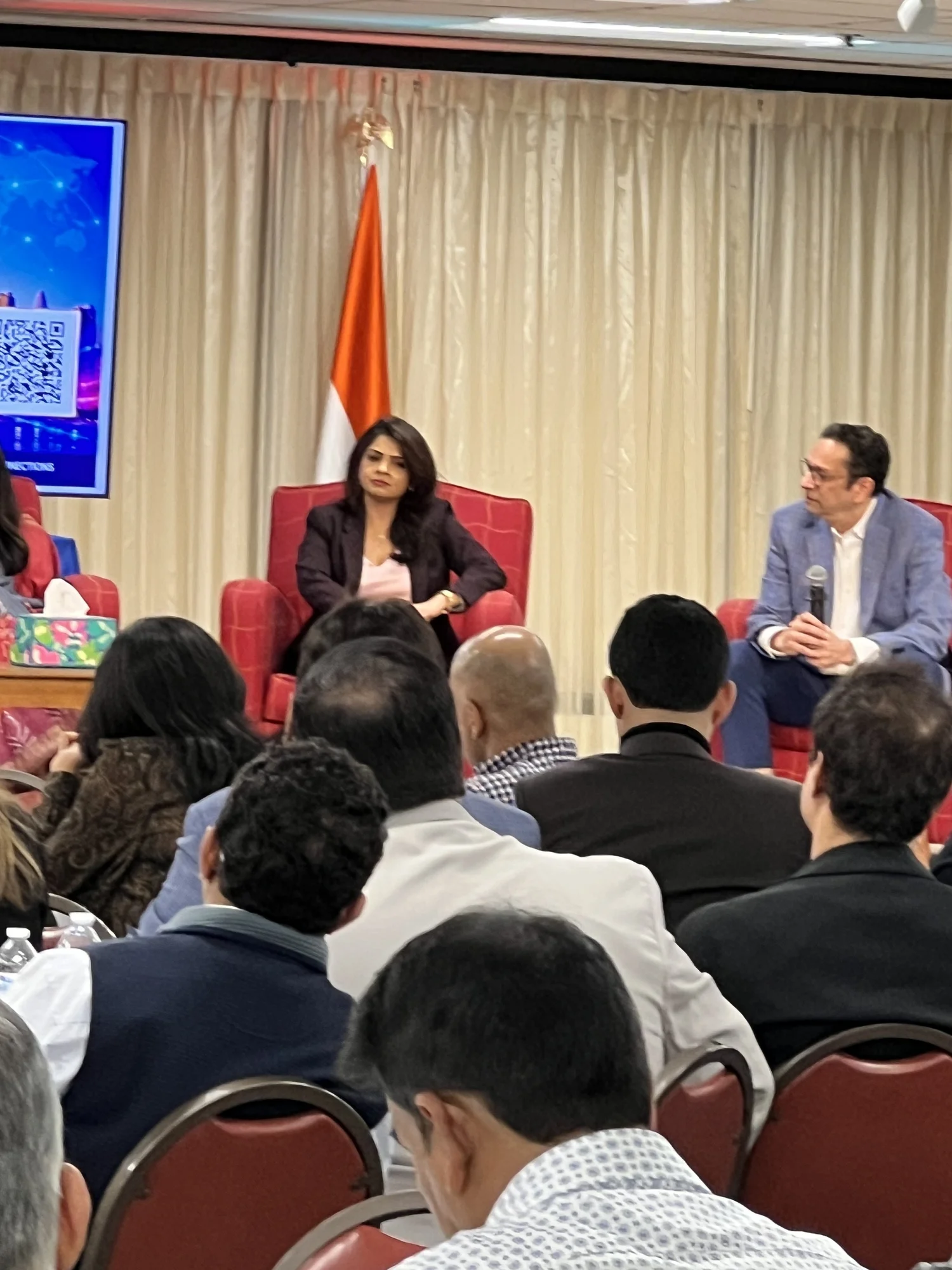
An intelligent answer can still answer the wrong question.
AI can produce a compelling response while missing the question that actually matters. Our judgment shapes what we ask, what we challenge, and which decisions we are willing to delegate.
For me, the human advantage requires deliberate investment: in understanding context, maintaining meaningful control, and developing the capability to judge the work.
Knowing about someone is not the same as knowing what matters.
I believe AI can develop contextual and cultural intelligence. But recognizing a pattern is only a beginning. The harder task is deciding whether that information is relevant to this person, in this moment, for this decision.
Culture is one dimension. Emotional circumstances, relationships, personal priorities, and history can matter just as much.
Same offer. Different decision.
A job offer may provide more money and faster career growth. For someone caring for a parent, recovering from burnout, or prioritizing autonomy, those advantages may not determine the right choice.
More information helps only when the system understands its significance.
- Infer
What can the system reasonably infer, and when should it ask?
- Calibrate
How confident should it be when several interpretations are possible?
- Adapt
How should its understanding change as someone’s circumstances evolve?
The next frontier is knowing what matters now, what remains uncertain, and when to ask.
Human oversight must be architectural, not ceremonial.
Putting a person in the loop does not automatically give them meaningful control. As agents act faster and across more steps, approval alone becomes an inadequate safeguard.
Control needs to be designed into the system’s authority, escalation paths, and mechanisms for intervention.
- Boundaries
Define what the system may decide and do independently.
- Escalation
Specify when uncertainty, consequences, or missing context require human involvement.
- Intervention
Give people ways to stop or override actions, and reverse them where possible.
For irreversible actions, the meaningful intervention point comes before execution.
The conversation in the room
AI should strengthen human capability.
We develop judgment through ambiguity, mistakes, reflection, and experience. When AI takes over parts of that work, leaders need to consider where those learning opportunities will come from.
The goal is to remove unnecessary effort while preserving meaningful practice. People still need opportunities to form a view, test it, explain their reasoning, and learn when they are wrong.
Faster drafts, synthesis, options, and recommendations.
Design the workflow to support both.
Problem framing, interpretation, critical thinking, and judgment.
The measure of success should include how much stronger people become, alongside how much faster the work gets done.
Three responsibilities before expanding AI’s role
-
Context
Ask before assuming.
Identify which information matters to the decision. Give the system a way to clarify uncertainty and update its understanding.
-
Control
Define authority before granting autonomy.
Specify permitted actions, escalation conditions, and the point at which a person can still intervene meaningfully.
-
Capability
Preserve the practice that builds judgment.
Decide which reasoning people need to keep exercising. Evaluate learning and decision quality alongside productivity.
The Panel
-
ModeratorDeepa Kartha
Founder & CEO, Journyz
Founder, CultureRox - PanelistsBill Welter The Prepared Mind Project
- Niketa Jhaveri Senior Manager, UX, Amazon at the time of the panel
- Devi Jayan Assistant Professor, University of Chicago
- Aniruddha Raje Lead Architect, Data & AI, FNZ
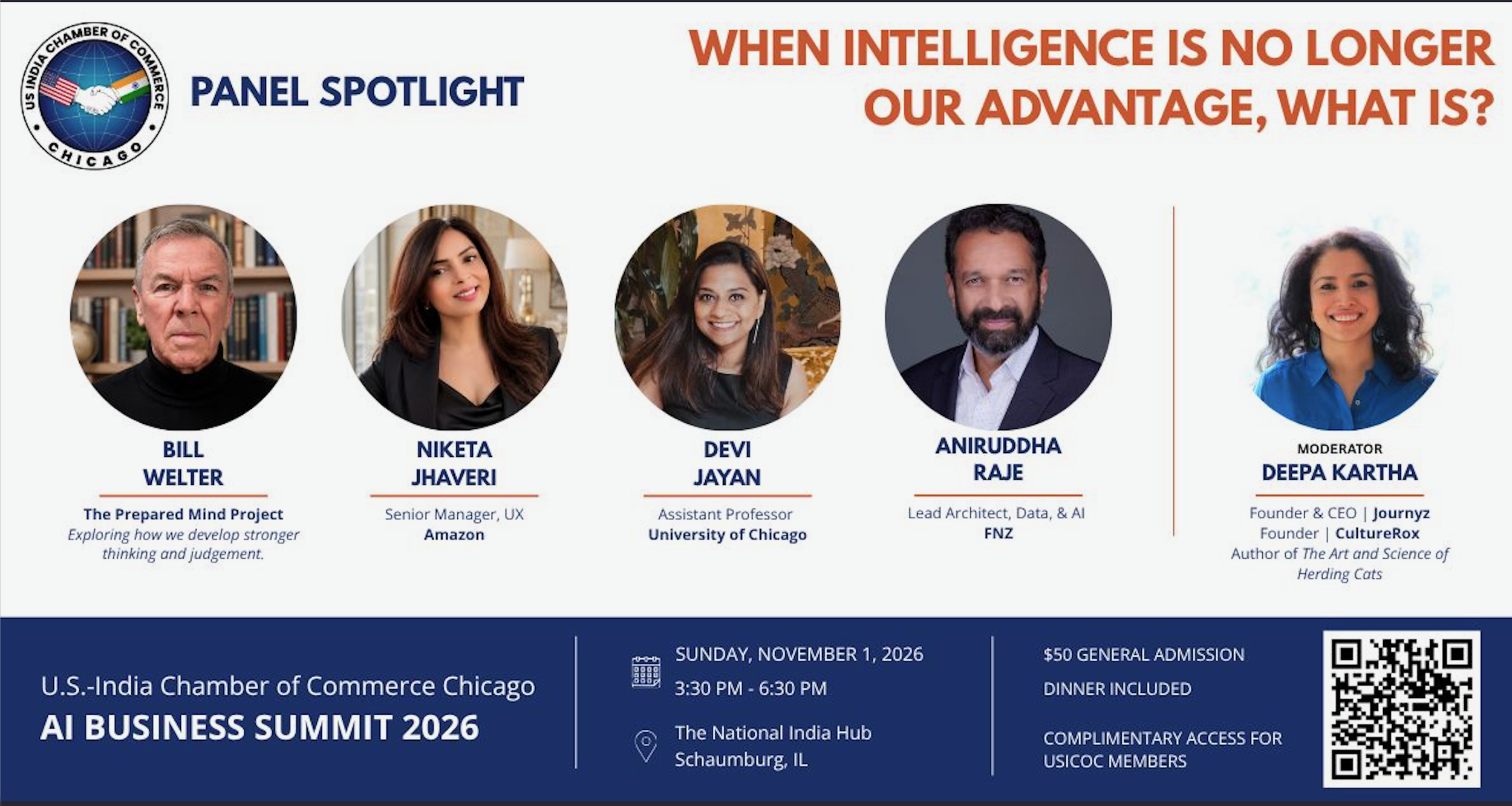
Organized by the U.S.–India Chamber of Commerce, Chicago Chapter.

The work continues in what we build, permit, and practice.
These questions extend beyond one panel. I continue exploring how AI understands people, how agents remain steerable, and how human expertise develops when the work itself changes.
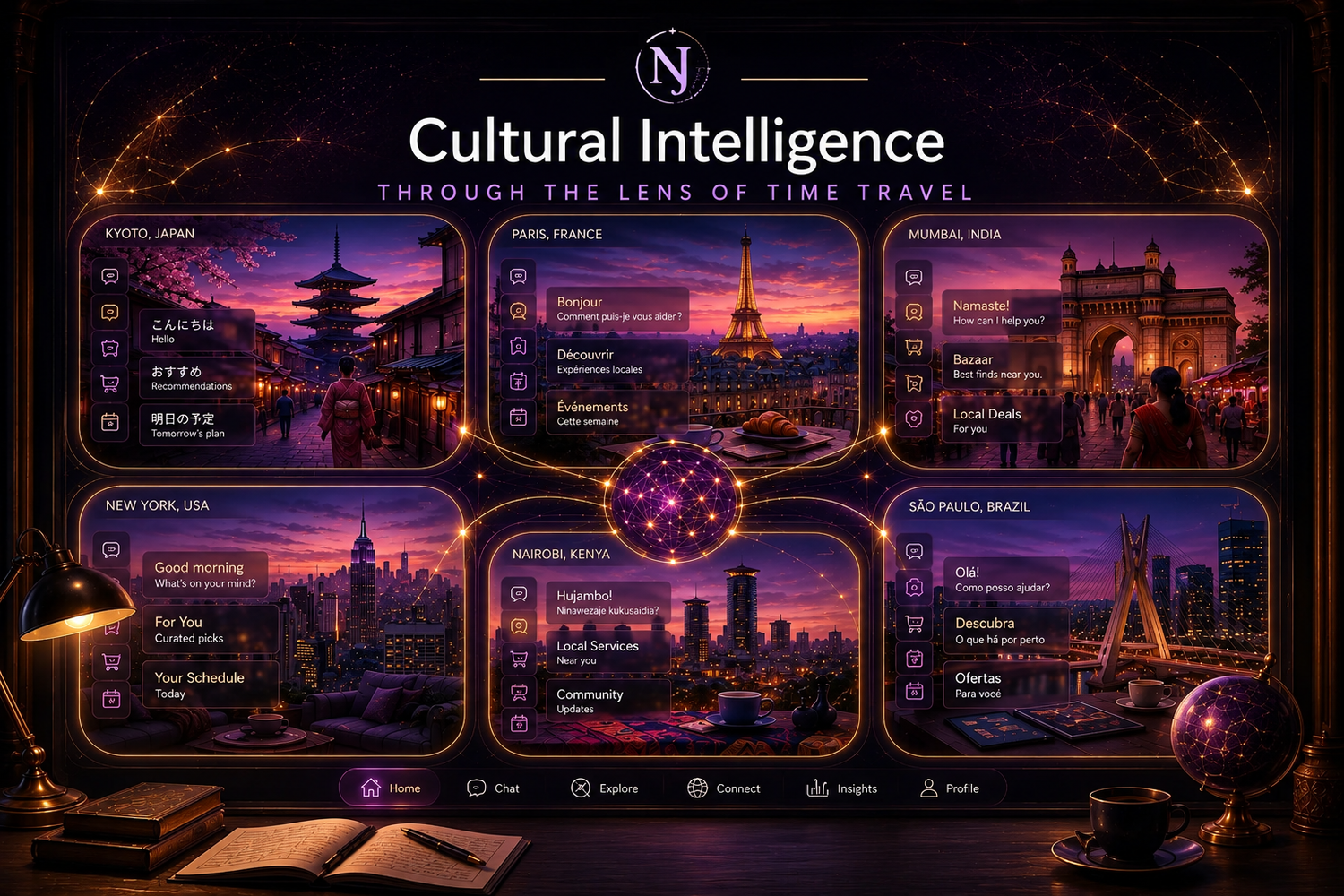
Cultural Intelligence
How can AI respond appropriately across different circumstances, expectations, and ways of making decisions?
Read Cultural Intelligence
The Becoming Gap
What happens when AI helps us produce expert looking work faster than we develop the experience to evaluate it?
Read The Becoming Gap