


Invisible Decisions
in the Age of AI
April 2026
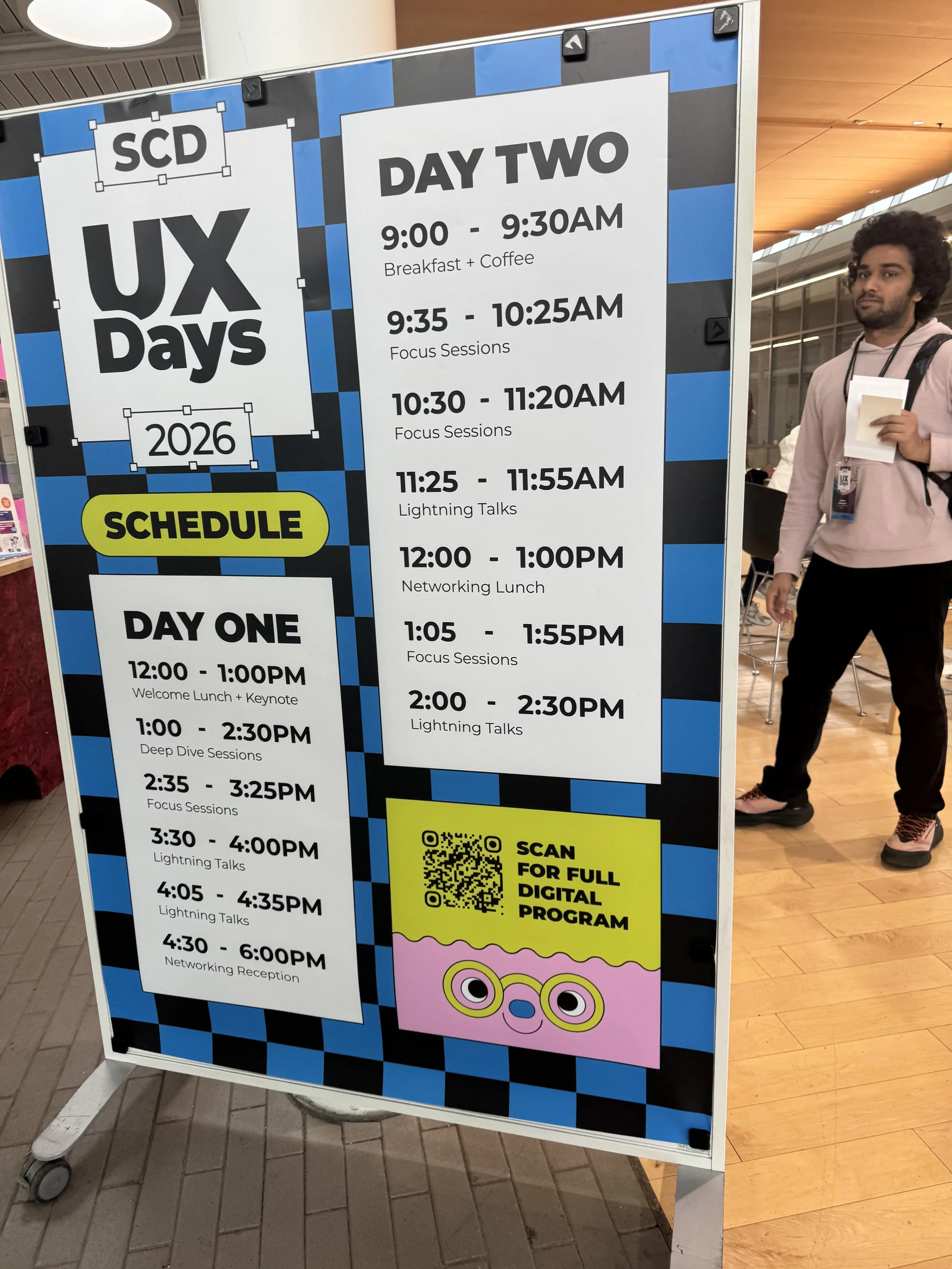
Siebel Center for Design • University of Illinois Urbana-Champaign
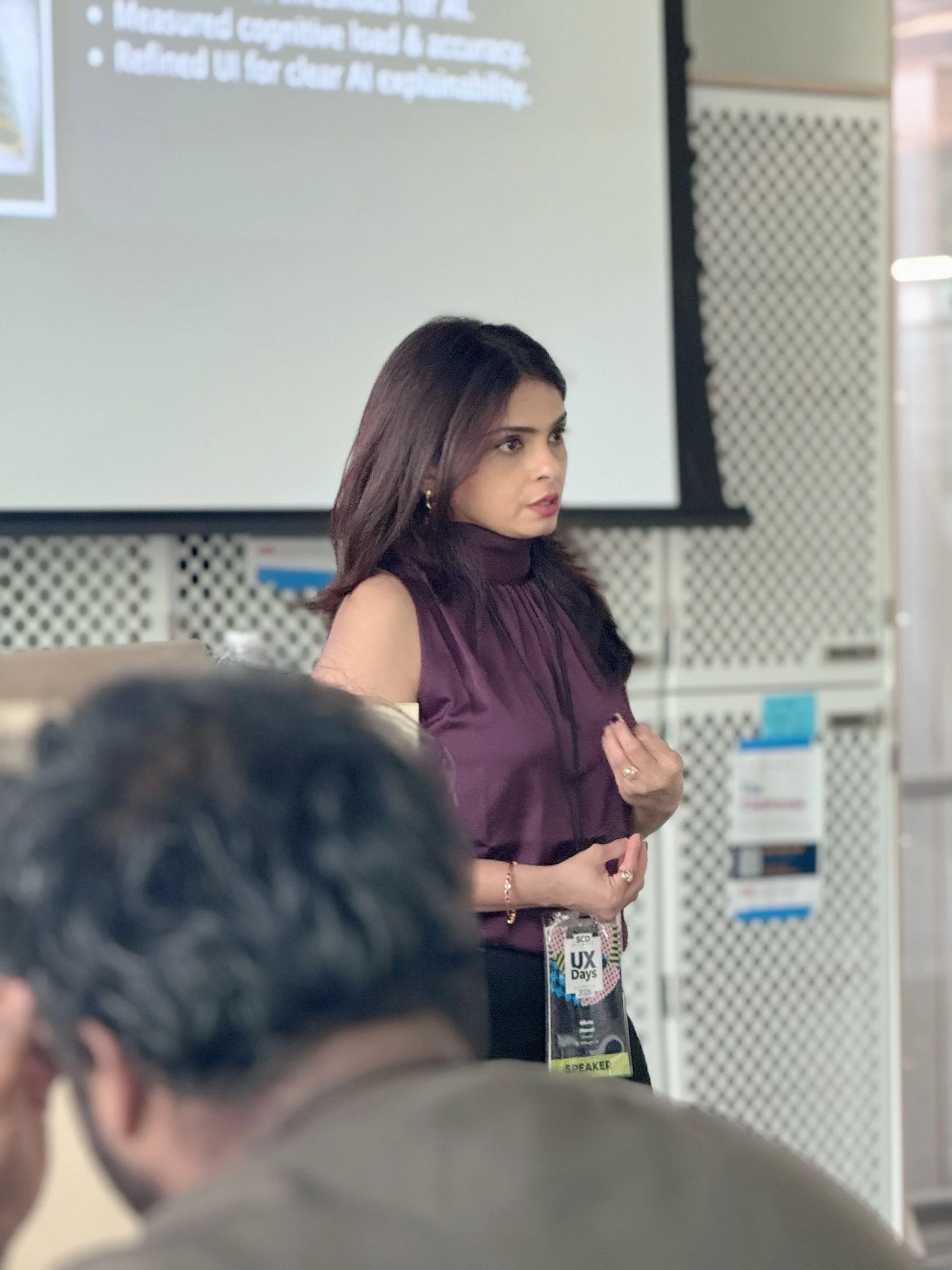
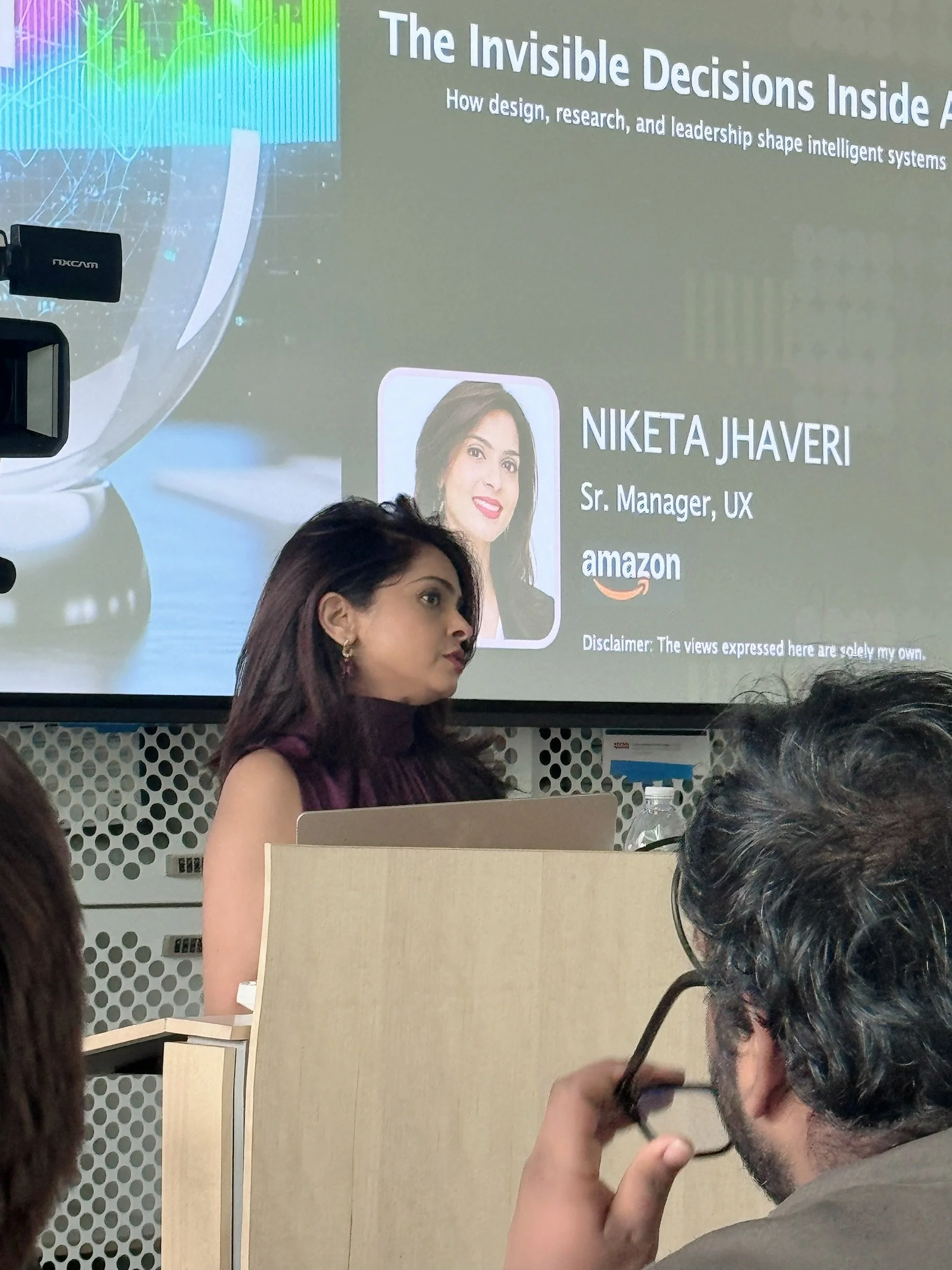
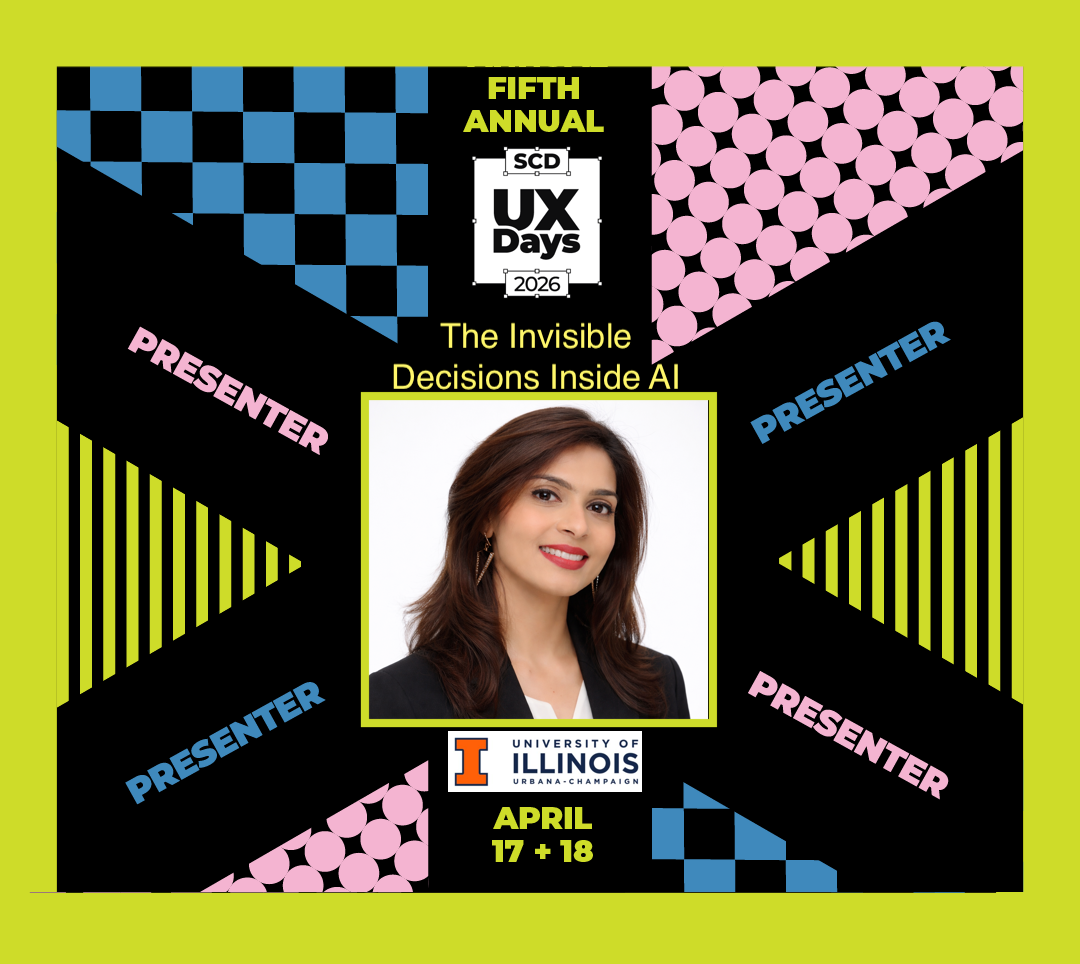
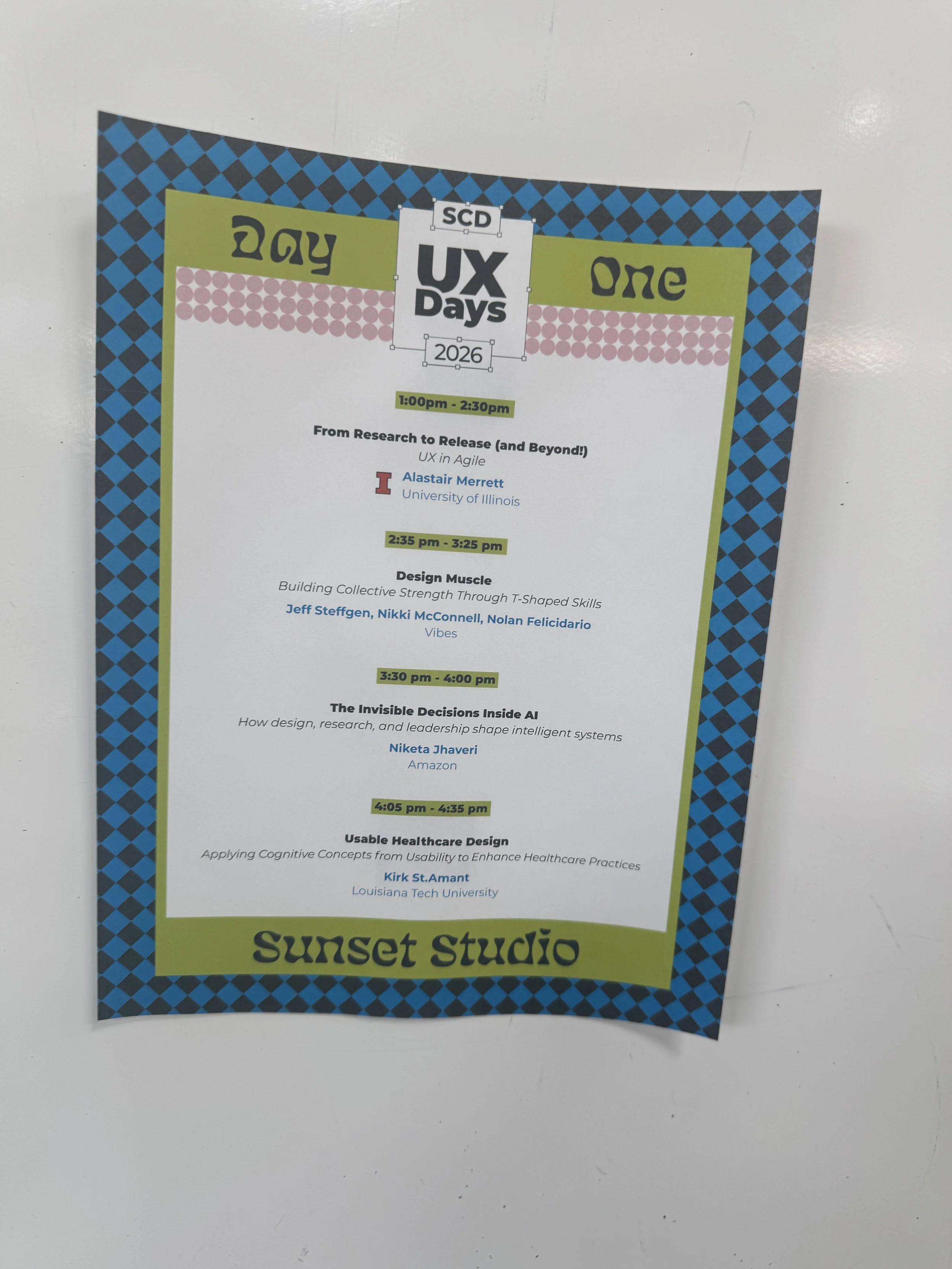
Presented at UX Days Illinois, this session explored the hidden decisions that shape every AI experience long before a model generates its first response. From product strategy and organizational leadership to human judgment and trust, the talk challenged the assumption that AI alone determines outcomes.
Instead, it argued that the most important decisions are made by the people who design, lead, and ultimately choose whether to trust intelligent systems.
Core Idea
AI appears to make decisions.
In reality, every AI system reflects countless human decisions made before a user ever asks a question. The data we collect, the objectives we optimize, the safeguards we implement, and the experiences we design all shape the answers AI provides.
Understanding those invisible decisions is essential to building AI that deserves trust.
A Framework in Evolution
Looking back, this presentation introduced another idea that would later become central to my broader body of work.
The talk explored three layers of invisible decisions:
Product
The choices embedded into products before users ever interact with them.
Leadership
The organizational decisions that determine priorities, tradeoffs, governance, and accountability.
Human
The judgments people continue to make about trust, interpretation, adoption, and responsibility.
This three-layer perspective became an important stepping stone toward later conversations about human judgment and AI Through the Lens of Time Travel.
Key Insights
AI Reflects Human Choices
Every AI experience begins with decisions about objectives, data, constraints, and success. Those choices often matter more than the model itself.
Leadership Shapes AI
AI strategy isn’t only a technical challenge. It is a leadership challenge that determines how organizations balance innovation, responsibility, and human oversight.
Trust Remains Human
People don’t simply evaluate AI outputs. They decide when to trust them, challenge them, or ignore them. Human judgment remains the final layer of every intelligent system.
From Talk to Practice
This presentation marked an early step in a broader exploration of how people and AI collaborate to make better decisions.
Many of these ideas continue to evolve through later talks, articles, and interactive tools exploring human judgment, responsible AI, and the future of intelligent systems.

Reflection
Preparing this presentation shifted my own perspective on AI. I realized that the systems people experience are only the visible layer of a much larger network of product, leadership, and human decisions. That realization has continued to shape my thinking about responsible AI, human judgment, and the role people play in every intelligent system.